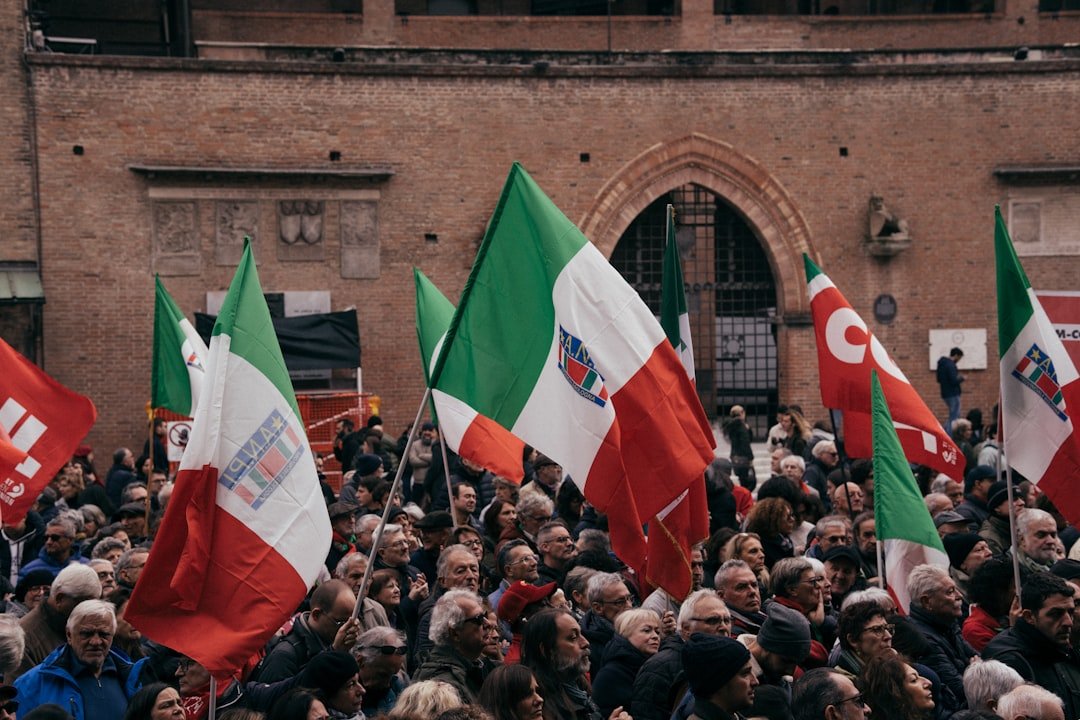
Germany is an incredible destination for Muslim travelers, but there’s a significant consideration—knowing the worst time to visit Germany can help avoid the hassles associated with crowds, high prices, and extreme weather. Whether it’s the height of Oktoberfest, bustling Christmas markets, or freezing winter conditions that hinder travel plans, being informed can lead to a smoother experience. This guide outlines key periods to avoid in order to ensure comfort, including pointers on halal food availability, mosque locations, and culturally appropriate practices. Let’s dive deeper.
Quick Answer
The worst times to visit Germany are during Oktoberfest (late September to early October), the Christmas markets (late November until December 23), and peak summer tourist seasons. Muslim travelers should particularly note potential difficulties in finding halal food and prayer facilities during these busy periods. For a more family-oriented experience, it’s wise to avoid school holidays due to crowded attractions and higher travel costs.
What Most Guides Miss
Many guides fail to highlight that the busiest travel periods, such as Oktoberfest and Christmas markets, coincide with limited halal food options and mosque accessibility. For instance, while in Munich during Oktoberfest, you may find only a few halal eateries, often situated far from the festival grounds. Additionally, in cities like Berlin and Cologne, increased foot traffic complicates access to prayer facilities. Therefore, consider staying in hotels that provide halal breakfast and are near mosques for added convenience. Exploring lesser-known towns during peak months can provide a more tranquil experience with better access to halal options.
Quick Preview: Worst Time to Visit Germany

Don’t have time to read the full guide? Here’s a quick breakdown of the worst times to visit Germany and why you might want to avoid them:
- Oktoberfest (Late September–Early October) – Overcrowded streets and soaring hotel prices, especially in Munich. Halal food options tend to be limited during this period.
- Christmas Markets (Late November–December 23) – Beautiful yet packed with tourists, making cities like Berlin and Nuremberg overwhelming for finding prayer facilities amidst crowds.
- Trade Fairs & Events – Major expos, such as the Frankfurt Book Fair, cause skyrocketing hotel prices, limiting affordable lodging near prayer centers.
- School Holidays – Families travel extensively during school breaks, resulting in crowds and elevated costs; check state-specific dates to avoid peak areas.
- Winter in Northern & Eastern Germany – Freezing temperatures, grey skies, and reduced daylight hours hinder sightseeing options and limit halal dining availability.
Worst Time to Visit Germany: 7 Key Factors to Consider

Planning a trip to Germany? Timing is crucial, especially for Muslim travelers who need to consider various factors that can significantly impact their experience. Here’s what you need to know:
Extreme Weather Periods (Region-Specific)
Germany’s diverse climate means weather conditions vary by region.
- Brocken Peak (Harz National Park): Known for severe winter weather and heavy snowfall, making travel exceptionally challenging.
- Southern and Western Regions: Areas increasingly face heatwaves in summer months, which may render outdoor activities uncomfortable.
Peak Tourist Seasons & Crowds
Choosing to visit during peak tourist seasons necessitates careful planning:
- Summer Months (June to August): Popular destinations like Neuschwanstein Castle and Berlin’s Museum Island witness large crowds. Be aware that halal options may be busier and more limited during this period.
- Christmas Season (Late November to December): The famous Nuremberg and Cologne Christmas markets draw countless visitors, making it significantly harder to find peace and halal food. Consider visiting smaller towns’ Christmas markets for more manageable crowds and some halal options.
Major Events That Spike Prices & Occupancy
Certain events can lead to prohibitive accommodation prices:
- Oktoberfest in Munich (Late September to Early October): This renowned festival attracts millions, resulting in limited availability and higher demand for halal accommodation options.
- Frankfurt Book Fair (October): As the world’s largest trade fair, it fills hotels and increases rates, often leading travelers to prioritize proximity over amenities like prayer access.
School Holidays (State-by-State Dates for 2024/2025)
German school holidays vary by state, affecting travel conditions:
- Summer Holidays: Typically occur from late June to August, with exact dates differing by state, resulting in busy attractions. Family-oriented venues can flush with visitors, making solitude hard to come by.
- Autumn Holidays: Usually occur in October, leading to packed venues. Travelling during these periods can translate into challenges finding halal food and prayer rooms amid the high foot traffic.
Transportation Strikes & Maintenance Closures
Unplanned strikes and scheduled maintenance can disrupt travel plans:
- Rail Strikes: Historical rail strikes have caused significant disruptions. This can impede navigation in cities with fewer halal dining options.
- Maintenance Closures: Scheduled maintenance on major train routes can derail your travel itinerary, making it crucial to plan for halal dining near your accommodations.
Cultural Closures (Local Holidays, Shop Shutdowns)
Be mindful of local holidays that may lead to closures of shops, restaurants, and attractions:
- Reformation Day (31st October): Observed in certain states may result in widespread establishment closures. This is critical for travelers who may need to locate halal food during their visit.
- All Saints’ Day (1st November): Celebrated in specific regions can lead to potential closures of restaurants that serve halal options.
Seasonal Attraction Closures (Castles, Parks, etc.)
Some attractions may operate on a seasonal basis:
- Castles and Palaces: Many, including Hohenzollern Castle, significantly reduce hours or close during winter months, limiting your sightseeing opportunities.
- Theme Parks: Parks like Europa-Park have restricted operations in the off-season, so plan your trip for when they are fully operational to avoid disappointment.
Understanding these factors can help you select the best time for your German adventure, ensuring a more enjoyable and hassle-free experience, particularly for Muslim travelers.
Exact Dates to Avoid in Germany (2025/2026)
Certain periods are best avoided if you want to sidestep crowds, high prices, and limited availability. Here’s a breakdown:
- Oktoberfest (20 September – 5 October 2025): Expect packed streets, inflated accommodation rates, and limited halal dining options during this massive festival in Munich.
- Christmas Markets (Late November to December 23): While beautiful, the markets attract countless tourists, complicating access to prayer facilities.
Planning your travels around these busy times and factoring in halal cuisine availability and prayer needs will create a far more enjoyable experience in Germany.
How to Survive If You Must Visit During Peak Times

If you find yourself needing to visit Germany during peak periods, here are some tips to make your journey smoother:
- Book Early: Flights and hotels fill up rapidly during significant events, especially in major cities. Secure accommodations near mosques to facilitate easy access for prayers.
- Explore Lesser-Known Spots: Smaller Christmas markets and alternative regions like quaint towns or rural areas offer a more relaxed experience with increased chances of finding halal eateries.
- Use Smart Travel Hacks: Timed tickets, early morning sightseeing, and off-peak transportation can help cut down waiting times. Utilizing these methods may grant access to lesser-known halal spots that aren’t overwhelmed by crowds.
Conclusion
While Germany is undoubtedly a magnificent and rewarding destination, it’s essential to be aware of the challenges posed by peak travel seasons, severe weather, and potential barriers for Muslim travelers. By planning thoughtfully and being informed about the worst times to visit Germany, you can better ensure a smooth and joyous journey filled with engaging experiences, rich culture, and accessible halal options wherever you explore.
Suggested Reading
- The Worst Time to Visit Switzerland—It’s Not What You Think!
- Worst Time to Visit Greece? Don’t Make This Mistake!
- Worst Time to Visit Spain & Ideal Travel Tips for 2024
What are the worst times for Muslim travelers to visit Germany?
The worst times for Muslim travelers to visit Germany are during Oktoberfest (late September to early October), Christmas markets (late November until December 23), and peak summer tourist seasons. These periods often present difficulties in finding halal food and accessing prayer facilities due to crowds and high demand.
What specific difficulties might Muslim travelers encounter during Oktoberfest in Germany?
During Oktoberfest, Muslim travelers might find overcrowded streets and soaring hotel prices, especially in Munich. Halal food options tend to be limited and often situated far from the festival grounds, making it challenging to find suitable dining.
Why might Christmas markets be challenging for Muslim travelers in Germany?
Christmas markets, while beautiful, are packed with tourists, making cities like Berlin and Nuremberg overwhelming for Muslim travelers seeking prayer facilities. Increased foot traffic complicates access to mosques and can make finding a quiet place to pray difficult amidst the crowds.
How do major trade fairs affect Muslim travelers' accommodation and prayer access in Germany?
Major trade fairs and events, such as the Frankfurt Book Fair, cause skyrocketing hotel prices in host cities. This limits the availability of affordable lodging, particularly near prayer centers or mosques, making it harder for Muslim travelers to find convenient accommodation.
What impact do German school holidays have on Muslim family travel?
School holidays lead to extensive family travel across Germany, resulting in crowded attractions and elevated costs for Muslim families. This can make finding family-friendly accommodations and accessing amenities, including halal food options, more challenging and expensive.
Why is winter in Northern and Eastern Germany considered a difficult time for Muslim travelers?
Winter in Northern and Eastern Germany brings freezing temperatures, grey skies, and reduced daylight hours, which hinder sightseeing for Muslim travelers. Additionally, the colder months often limit halal dining availability and may affect mosque accessibility due to weather conditions.
What crucial information for Muslim travelers do many general Germany travel guides overlook?
Many general travel guides overlook that Germany's busiest periods, like Oktoberfest and Christmas markets, coincide with limited halal food options and mosque accessibility for Muslim travelers. This omission can lead to unexpected challenges in finding appropriate dining and prayer facilities.
What specific advice is offered for Muslim travelers to manage busy periods in Germany?
For convenience during busy periods, Muslim travelers are advised to consider staying in hotels that provide halal breakfast and are near mosques. Exploring lesser-known towns during peak months can also offer a more tranquil experience with better access to halal options.
Written by Hasan — Muslim traveller and founder of MoonlitVisit.
Last updated: 2026. Sources used: Travel Germany, Visit Berlin, HalalTrip.