Embracing sustainable travel tips is more important than ever, not just for the environment but also to uphold our Islamic principles of stewardship and gratitude for Allah’s creation. As Muslims, we are taught to care for the Earth, minimize waste, and act justly towards all communities. Creating eco-friendly trips allows us to preserve the beauty of our planet for future generations while also supporting the health and well-being of the places we explore. This article highlights the importance of responsible travel by providing helpful tips on being an environmentally conscious traveler, tailored for the Muslim explorer seeking to make a positive impact.
Quick Answer

Sustainable travel tips involve conscious choices to minimize environmental impact and maximize positive social contributions. For Muslim travelers, this means seeking out halal food, utilizing local mosques for prayer, choosing eco-friendly accommodations that respect privacy, and supporting local economies while adhering to Islamic values of stewardship, all to ensure a journey that benefits both the planet and its people.
Quick Tips for Eco-Friendly Travel
Making small, intentional choices can significantly reduce your environmental footprint while enhancing your travel experience as a Muslim. From the moment you begin planning your journey until your return, consider how each decision aligns with both eco-conscious and faith-conscious practices.
Choose Eco-Friendly Destinations
Research places committed to sustainability like Costa Rica, Iceland, and Bhutan, which often also offer rich cultural experiences. Opt for less crowded, off-the-beaten-path locations, which can sometimes lead to more authentic encounters with local Muslim communities and quieter spaces for prayer. Engage with local cultures through homestays and community tours, ensuring these interactions are respectful and beneficial.
Sustainable Transportation
Prioritize using public transportation (buses, trains, subways) to navigate cities and regions. Walk or bike whenever possible, allowing for a deeper connection with your surroundings and easier access to local mosques. When renting a vehicle is necessary, opt for fuel-efficient or electric vehicles, and consider car-sharing to minimize emissions.
Green Accommodation Choices
Stay in eco-friendly hotels with recognized certifications like LEED or Green Key. Furthermore, support locally-owned lodgings, especially those that cater to Muslim travelers with features like prayer mats or halal breakfast options. Practice eco-friendly habits during your stay: reuse towels, conserve water during wudu and showering, and reduce energy use by turning off lights and air conditioning when leaving your room.
Reducing Waste While Traveling
Pack reusable items such as water bottles, shopping bags, and travel-friendly prayer mats. Minimize packaging by bringing solid toiletries and traveling with refillable containers. Dispose of waste responsibly, separating recyclables where facilities are available. These actions reflect our responsibility as Muslims to avoid extravagance and care for resources.
Supporting Local Economies
Buy local products and handmade items, seeking out ethical businesses and Muslim artisans. Dine at local restaurants that explicitly offer halal options or clearly label ingredients. Participate in community-based tourism activities that genuinely benefit the local population, ensuring your visit contributes positively to their livelihoods.
By following these sustainable travel tips, you can enjoy your travels while minimizing your environmental impact and supporting local communities, all within the framework of your faith.
Choosing Eco-Friendly Destinations
Embracing eco-friendliness extends to the very beginning of your travel planning: selecting your destination. For the Muslim traveler, this also means considering the availability of resources that support your faith journey alongside environmental consciousness.
Research Destinations Committed to Sustainability
When planning your trip, be sure to prioritize places that demonstrate a commitment to both environmental and social well-being. Discover places that actively use environmentally friendly practices, protect the natural environment, and promote the preservation of cultural heritage. Costa Rica, Iceland, and Bhutan are renowned for their strong commitment to environmental protection and sustainable tourism initiatives. When researching, Muslim travelers might also look for regions with a visible Muslim presence, indicating easier access to mosques and halal food options. A quick online search for “halal friendly destinations” can be combined with “eco-tourism” to find places that cater to both values.
Opt for Less Crowded Locations
Choosing off-the-beaten-path destinations can significantly reduce the negative impact of tourism on local communities and fragile ecosystems. Visiting these lesser-known locations not only provides an authentic travel experience but also helps small communities thrive by distributing tourism income more broadly. For Muslim travelers, these quieter areas often allow for a more serene atmosphere for reflection and prayer, free from the distractions of larger tourist crowds. In practice, travelers often find peaceful spots in nature or small towns where prayer can be performed without interruption.
Engage with Local Culture and Traditions
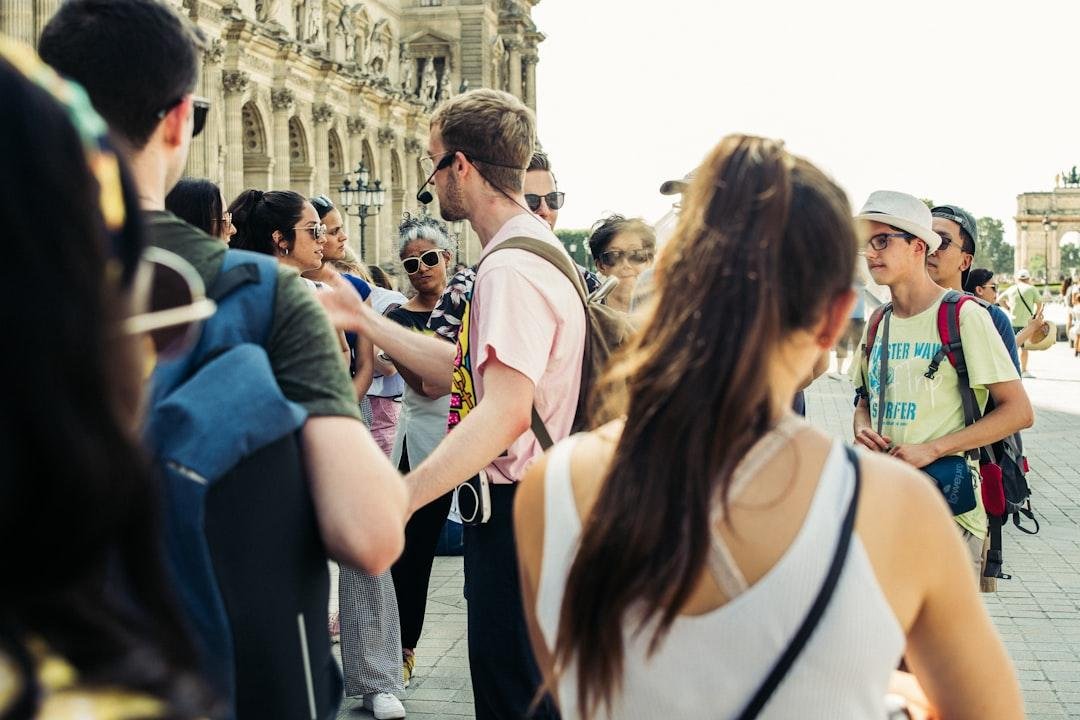
To fully appreciate and understand your travel destination, immerse yourself in the unique local culture and traditions of the region. Joining a local tourism community can provide enriching experiences beyond standard tours. Options like homestays allow travelers to stay with local families and observe their daily lives, traditions, and cuisine. Such collaborations strengthen bonds with society and play an important role in preserving cultural heritage because they encourage the sharing and maintenance of traditions that may otherwise become extinct. When engaging, Muslim travelers should prioritize interactions that respect local customs and Islamic values, ensuring exchanges are modest and beneficial for both sides. Seeking out local Muslim community centers or cultural events can offer particularly meaningful interactions.
Sustainable Transportation Options
Your choice of transportation significantly impacts your carbon footprint. Opting for greener modes of travel is a fundamental aspect of applying sustainable travel tips to your journey.
Choose Public Transportation
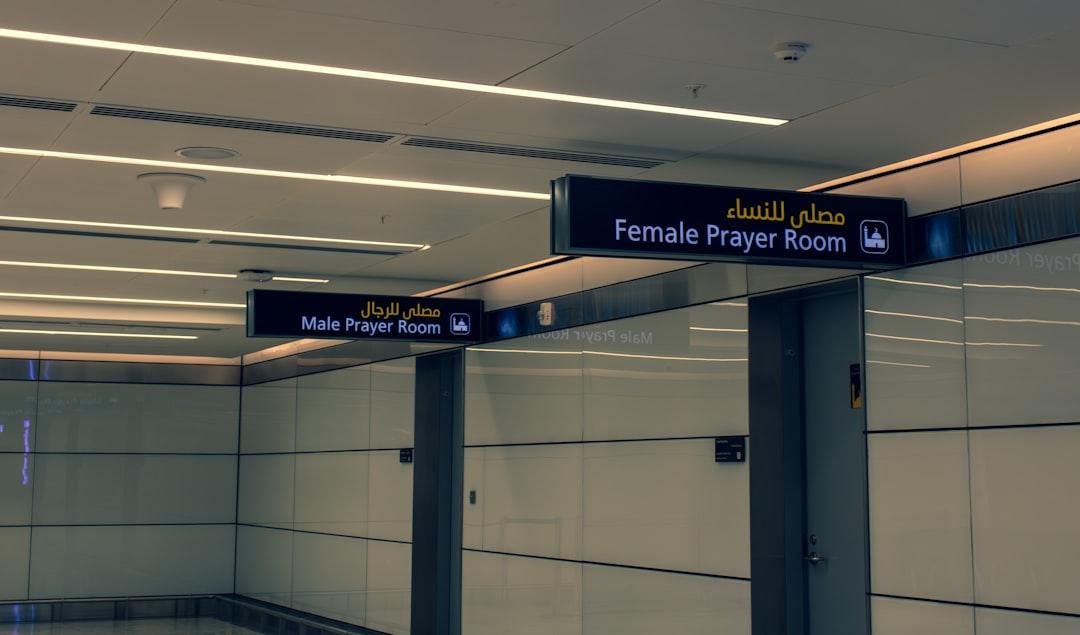
Using public transportation such as buses, trains, and subways is an effective way to get around according to sustainability principles. This mode of transport can significantly reduce your environmental impact while providing a practical means to discover new locations. For Muslim travelers, public transport also provides unique opportunities for reflection; during longer journeys, it’s often possible to find a quiet corner for prayer. Many major train stations in Europe even provide designated prayer rooms. This area tends to get busy around lunch and evening prayer times, so plan your journey accordingly.
Consider Biking or Walking
Cycling and walking are excellent sustainable means of transportation for short to medium distances. Many cities now offer bike rental programs, making it easy to rent a bike for brief excursions. In addition to cutting down emissions, walking and cycling allow travelers to engage more intimately with their surroundings, revealing details often missed from a vehicle. For Muslim travelers, walking can provide the flexibility to stop for prayer when a mosque appears or find a clean, suitable location. Ensure your modest clothing is appropriate and comfortable for both biking or walking activities.
Opt for Fuel-Efficient Vehicles
When renting a car, favor hybrid or electric options, as they produce significantly less pollution. Hybrid and electric rentals are increasingly common across Europe, reflecting a shift in consumer preferences toward eco-friendly choices. Another environmentally responsible option is to share the vehicle with fellow travelers to minimize environmental impact. If an electric vehicle isn’t available, selecting the smallest, most fuel-efficient gasoline car for your needs is an effective strategy to support sustainable travel.
Green Accommodation Choices
Where you choose to rest your head can be just as impactful as how you travel. Incorporating green accommodation choices into your itinerary is a vital aspect of sustainable travel tips.
Stay in Eco-Friendly Hotels
Opting for environmentally friendly hotels underscores the significance of sustainability within their operations. Identify accommodations with certifications like LEED, Green Key, or EarthCheck, as these establishments implement environmentally friendly practices such as energy-efficient lighting, rainwater harvesting systems, and waste reduction initiatives. For Muslim travelers, check whether hotels offer features such as alcohol-free minibars or are located conveniently near mosques, further enhancing your eco-friendly and faith-based experience.
Choose Smaller, Locally-Owned Lodgings
Supporting independent establishments helps bolster the local economy. These smaller hotels often prioritize sustainability and demonstrate greater social responsibility than larger chains. Many locally owned lodgings utilize local products and employ local staff, ensuring that your travel spending directly benefits the community. Additionally, many of these accommodations are often more accommodating to specific needs, such as providing prayer mats or ensuring room orientation for Qibla, which makes them ideal choices for Muslim travelers seeking personalized service.
Practice Eco-Friendly Habits During Your Stay
It’s essential to adopt environmentally friendly practices during your visit. This includes straightforward actions like reusing towels and sheets, conserving water while performing wudu (ablution) and showering, and turning off lights and appliances when not in use. Participate in your hotel’s recycling program, if available, and opt for reusable items instead of single-use plastics whenever you can. These small habits collectively contribute to a significant positive impact, showcasing your commitment to responsible stewardship, a core Islamic value.
Reducing Waste While Traveling
Minimizing waste is a practical application of sustainable travel tips and aligns perfectly with the Islamic principle of avoiding extravagance and preserving resources. Every item we pack and dispose of has consequences.
Pack Reusable Items
Incorporating reusable items like water bottles, shopping bags, and travel-friendly prayer mats can considerably reduce waste. Use public water fountains to refill bottles and bring reusable bags when grocery shopping or picking up souvenirs. Consider carrying reusable straws and cutlery, and consciously avoid single-use plastics at cafes and eateries. These simple practices vastly contribute to reducing overall waste.
Minimize Packaging
When preparing for your journey, aim to minimize packaging in your luggage. Opt for solid toiletries, like shampoo bars and soap bars, instead of bottled products. For snacks and food, buy from bulk sections or select options with minimal or eco-friendly packaging to mitigate waste generated on the go. This thoughtful approach ensures your packing doesn’t contribute to the ongoing problem of plastic pollution in your travel destinations.
Dispose of Waste Responsibly
Responsible waste disposal is crucial wherever you go. Understand local recycling guidelines and separation systems. European cities usually have excellent public recycling stations, yet travelers often find prayer rooms unlabelled and face challenges locating appropriate waste disposal facilities if unfamiliar with the local system. If recycling is unavailable, ensure your general waste is placed in designated bins. Carry a small bag for your trash until you find a proper disposal point; this illustrates a commendable commitment to maintaining a clean environment.
Supporting Local Economies
A key element of sustainable travel tips is ensuring that your travel spending genuinely benefits the communities you visit. This aligns with Islamic teachings on justice and economic fairness.
Buy Local Products and Handmade Items
When searching for souvenirs or gifts, prioritize purchasing local products and handmade items directly from artisans or small, independent shops. This practice guarantees that your expenditure goes directly to local livelihoods while preserving traditional crafts and skills. For Muslim travelers, it also means supporting local Muslim businesses and their entrepreneurial efforts within the community.
Dine at Local Restaurants Using Organic Ingredients
A delightful way to experience a new culture is through its food. Choose to dine at local, independent establishments, particularly those that emphasize organic, locally sourced ingredients. This approach not only reduces the carbon footprint related to food transport but also supports local growers. For Muslim travelers, thorough research is essential to locate restaurants that guarantee halal food. Most halal restaurants tend to cluster near central districts or in locales with significant Muslim populations. Don’t hesitate to inquire about halal certification or specific ingredients; if halal meat is unavailable, opt for vegetarian or seafood options to conform to Islamic dietary laws.
Participate in Community-Based Tourism Activities
Engaging in tourism activities explicitly created to benefit local communities fosters authenticity in your travel experience and keeps a larger portion of your expenditures within the locality. This could include guided tours led by residents, cultural workshops, or visits to community projects. For Muslim travelers, seeking opportunities to learn about local Islamic history, visit mosques, or engage in local Muslim community initiatives can be particularly enriching, promoting understanding among cultures.
What Most Guides Miss
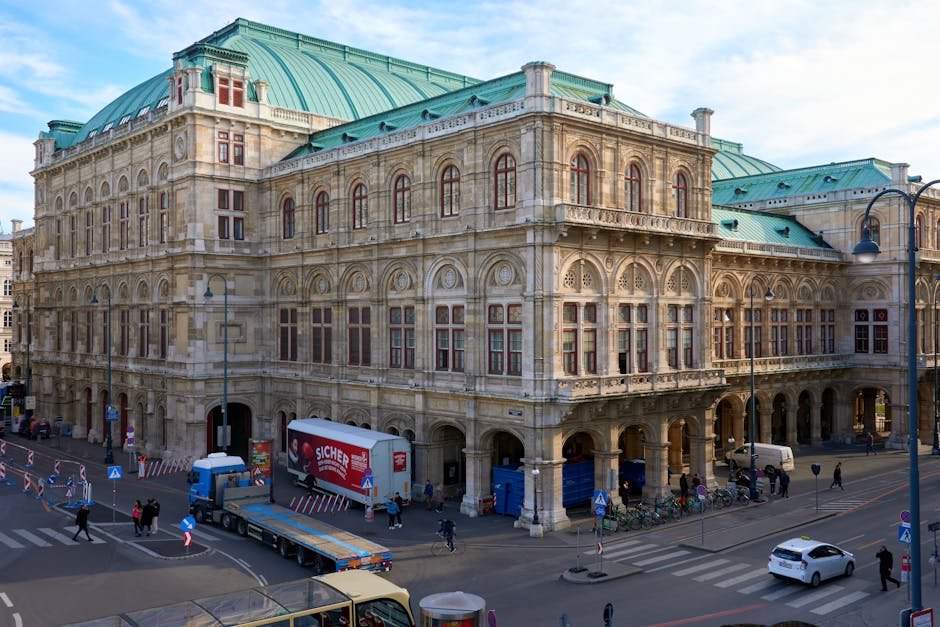
While many guides emphasize broad eco-friendly actions, they often overlook specific, actionable advice for Muslim travelers seeking to integrate faith and sustainability. In European cities like Rome or Paris, finding dedicated prayer rooms beyond major mosques can be a challenge. Most guides won’t tell you that many universities, hospitals, or large shopping centers often have unlabelled ‘quiet rooms’ or ‘meditation spaces’ that can serve as private prayer spots. A proactive approach involves checking local Muslim community Facebook groups or apps like ‘HalalTrip’ before arrival, which often share real-time tips on these hidden musallahs and local small businesses providing halal options, especially critical during Ramadan for suhoor and iftar.
Conclusion
Embracing sustainable travel tips is a powerful way for all travelers, especially Muslims, to explore the world responsibly. By making conscious choices about our destinations, transportation, accommodation, consumption, and community engagement, we fulfill our role as stewards of the Earth, as taught in Islam. These practices not only protect our planet for future generations but also ensure that our journeys are a source of benefit and blessings for the communities we visit, reflecting the beauty and wisdom of our faith. May your travels be both enriching and environmentally mindful.
Frequently Asked Questions
How can I find halal food options in eco-friendly destinations?
Start by researching online using terms like “halal food [destination name]” or “Muslim-friendly [destination name]”. Apps like HalalTrip or Zabihah can be very helpful. When in doubt, look for vegetarian, vegan, or seafood options, and always ask about ingredients to ensure they are permissible.
What are some practical tips for prayer on the go while traveling sustainably?
Carry a lightweight, portable prayer mat. Utilize prayer apps for Qibla direction and prayer times. Look for quiet corners in public spaces, parks, or even on public transport for quick prayers. Many European train stations and airports are increasingly providing dedicated prayer rooms (musallahs).
How can I minimize my waste while maintaining hygiene for wudu?
Pack a small, reusable wudu bottle or use public facilities responsibly, ensuring you only use the necessary amount of water. Opt for solid toiletries to reduce plastic waste and make sure to dispose of any used items in designated bins.
What should Muslim travelers consider during Ramadan when traveling sustainably?
During Ramadan, focus on destinations with clear Muslim communities, as finding early morning suhoor and evening iftar options will be easier. Many mosques host community iftars, which are great for cultural exchange and supporting the local community. Pack non-perishable suhoor snacks to minimize reliance on packaged foods.
What is sustainable travel for Muslim travelers?
For Muslim travelers, sustainable travel involves conscious choices to minimize environmental impact and maximize positive social contributions. This includes seeking halal food, utilizing local mosques for prayer, choosing eco-friendly accommodations that respect privacy, and supporting local economies while adhering to Islamic values of stewardship.
How do Islamic principles relate to sustainable travel?
Islamic principles emphasize stewardship and gratitude for Allah's creation, teaching Muslims to care for the Earth, minimize waste, and act justly towards all communities. Embracing sustainable travel allows Muslims to uphold these values, preserving the planet for future generations while supporting the well-being of the places they explore.
How can Muslim travelers choose eco-friendly destinations?
Muslim travelers can choose eco-friendly destinations by researching places committed to sustainability and opting for less crowded, off-the-beaten-path locations. These choices can also lead to more authentic encounters with local Muslim communities and quieter spaces for prayer.
What are sustainable transportation options for Muslim travelers?
Sustainable transportation options for Muslim travelers include prioritizing public transport like buses and trains, or walking and biking for deeper connection and easier access to local mosques. When a vehicle is necessary, choosing fuel-efficient or electric options, or car-sharing, minimizes emissions.
How can Muslim travelers make green accommodation choices?
Muslim travelers can make green accommodation choices by staying in eco-friendly hotels with recognized certifications or supporting locally-owned lodgings that cater to Muslim travelers with features like prayer mats or halal breakfast. They should also conserve water during wudu and showering, and reduce energy use during their stay.
What specific features in accommodations are beneficial for Muslim eco-travelers?
Muslim eco-travelers benefit from accommodations that offer prayer mats, halal breakfast options, and respect for privacy. These features support their faith-conscious practices while aligning with eco-friendly choices and supporting local businesses.
How can Muslim travelers reduce waste while traveling?
Muslim travelers can reduce waste by packing reusable items such as water bottles, shopping bags, and travel-friendly prayer mats. Bringing solid toiletries also helps minimize packaging.
Why is sustainable travel important for Muslims?
Sustainable travel is important for Muslims because it aligns with Islamic principles of stewardship and gratitude for Allah's creation. It allows them to care for the Earth, minimize waste, act justly towards communities, and preserve the planet's beauty for future generations.
Written by Hasan — Muslim traveller and founder of MoonlitVisit.
Last updated: 2026. Sources used: [HalalTrip, Zabihah, community-based tourism research].