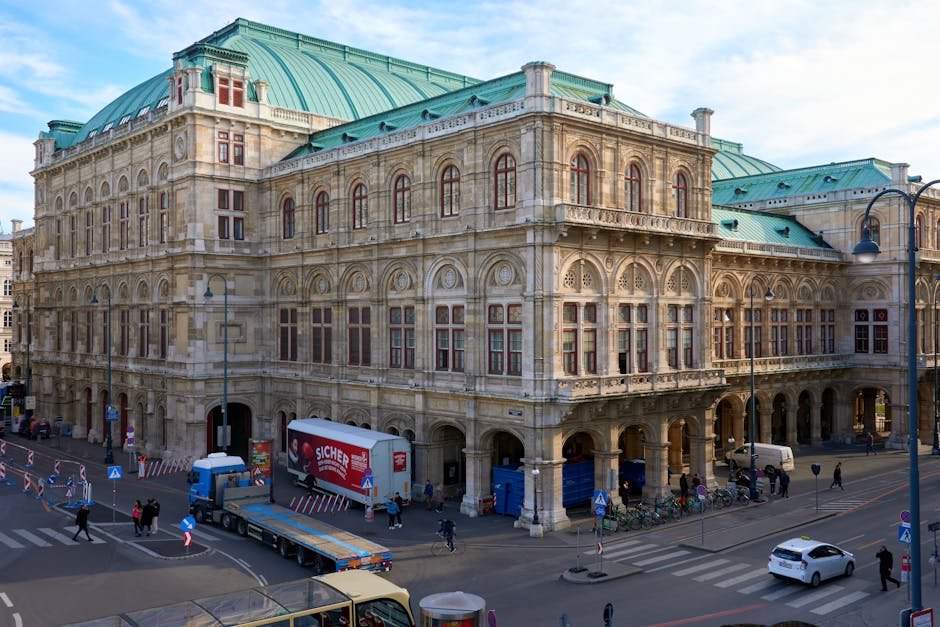
The question of how did Muslim ideas travel to Italy unveils a fascinating chapter in European history, deeply enriching the cultural, scientific, and architectural landscape of the peninsula. For Muslim travellers today, understanding these historical connections offers a unique lens through which to explore Italy, revealing echoes of a shared heritage. This article aims to provide a definitive guide, explaining the diverse pathways through which Islamic knowledge, art, and innovation made their way across the Mediterranean to Italian shores, offering insights that enhance any Muslim-friendly itinerary.
Quick Answer
Muslim ideas primarily travelled to Italy through two main routes: the Emirate of Sicily, which served as a crucial bridge for Islamic civilization for over two centuries, and extensive maritime trade networks across the Mediterranean. This cultural exchange flourished through scholarly translations, artistic innovations, and agricultural advancements, leaving a significant mark on Italian society, science, and architecture, especially in the southern regions.
Tracing the Routes: How Muslim Ideas Journeyed to Italy
The transfer of Muslim ideas to Italy was a complex, multi-faceted process, not a singular event. It involved centuries of interactions, ranging from conquest and governance to peaceful trade and intellectual curiosity. For Muslim travellers looking to appreciate Italy’s profound historical layers, exploring these routes offers a deeper connection to the land.
The Sicilian Crucible: A Gateway to Knowledge
Sicily stands as the most significant historical conduit for Muslim ideas into Italy. From the 9th to the 11th centuries, the island was under Muslim rule, transforming it into a vibrant cultural and intellectual hub. Cities like Palermo became centers of learning, attracting scholars, poets, and artisans from across the Islamic world. Under Arab rule, agricultural practices were revolutionised with new irrigation techniques and crops like citrus fruits, sugar cane, and durum wheat. This era fostered an environment where Arabic became widely spoken, and Islamic sciences, medicine, and philosophy flourished. Even after the Norman conquest, the island retained a strong Arab-Norman culture, with Christian rulers often adopting Islamic administrative practices and patronising Arab artists and scholars. The Palatine Chapel in Palermo, for instance, showcases a remarkable blend of Byzantine, Norman, and Islamic artistic styles, a testament to this unique fusion.
Maritime Trade and Cultural Exchange
Beyond Sicily, extensive maritime trade routes played a crucial role in how Muslim ideas travelled to Italy. Italian maritime republics like Venice, Pisa, and Genoa maintained robust commercial ties with the Islamic world, particularly North Africa, Egypt, and the Levant. These merchants weren’t just exchanging goods like spices, textiles, and precious metals; they were also conduits for intellectual and artistic concepts. Through these lively port cities such as Venice and Pisa, Arabic scientific texts, mathematical principles (including the adoption of Hindu-Arabic numerals), medical knowledge, and architectural motifs slowly seeped into the Italian peninsula. The influence is evident in early Italian Renaissance art and architecture, where elements like geometric patterns and specific decorative styles can trace their origins back to Islamic design principles, adapted and integrated into local aesthetics.
Scholarly Translations and Intellectual Hubs
The intellectual transfer was significantly bolstered by a dedicated movement of translation. European scholars, keen to access the vast repository of knowledge preserved and expanded upon by Muslim civilization, travelled to centers of learning in Muslim Spain (Al-Andalus) and Sicily. From the 12th century onwards, major translation efforts in cities like Salerno and Toledo (in Spain) rendered Arabic texts into Latin. These translated works, covering fields from astronomy and mathematics to medicine and philosophy, became foundational for the European Renaissance. Thinkers like Ibn Sina (Avicenna) and Ibn Rushd (Averroes) had their works studied in Italian universities, profoundly influencing scholastic thought and natural philosophy. This era cemented the intellectual bridge, demonstrating how Muslim ideas travelled to Italy not just through direct contact, but also through the deliberate acquisition of knowledge.
Art, Architecture, and Agricultural Innovations
The impact of Muslim ideas on Italy extended visibly into art, architecture, and daily life. In architecture, particularly in Southern Italy, one can still observe elements like pointed arches, intricate tilework, and geometric patterns that bear Islamic influence. Beyond the Palatine Chapel, structures such as the Zisa Palace in Palermo offer remarkable examples of Islamic architectural design integrated into Norman structures. Agriculturally, the introduction of new crops like lemons, oranges, eggplants, spinach, and rice by Arabs transformed the Italian diet and economy. The Arabic advancements in irrigation systems also revitalized farming practices, particularly in dry regions. Even linguistic traces remain, with several Italian words for agricultural products or scientific terms having Arabic roots. This broad integration shows how Muslim ideas travelled to Italy, transforming practical aspects of life alongside intellectual and artistic spheres.
Key Considerations for Muslim Travellers
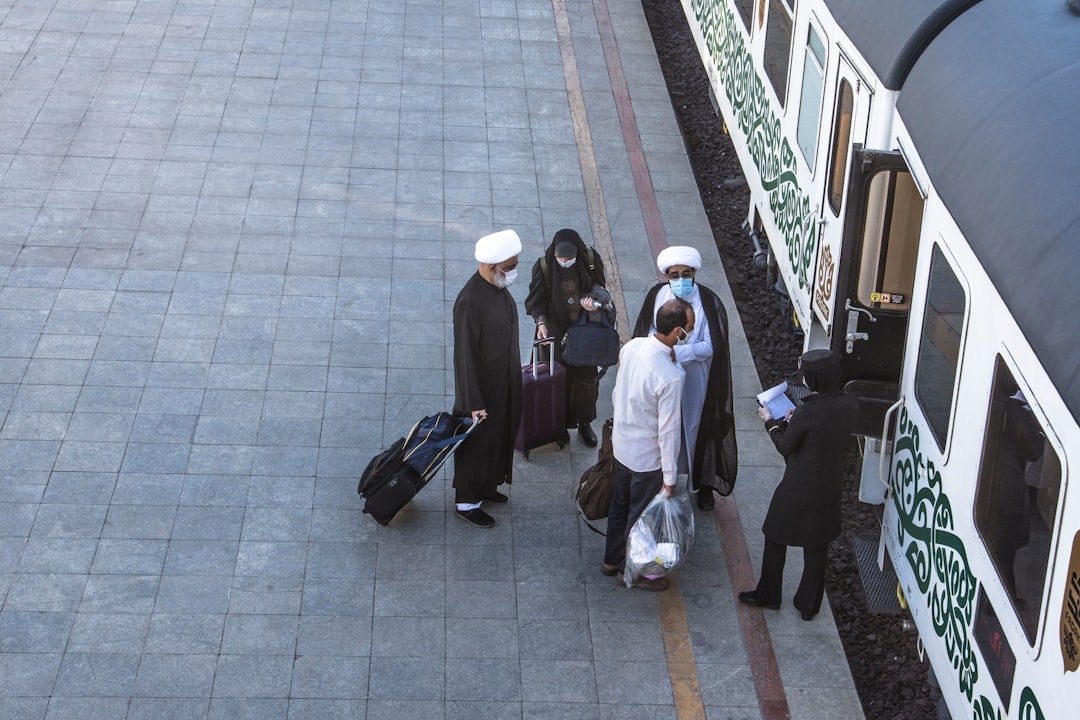
For Muslim travellers exploring Italy today, understanding the historical narrative of how Muslim ideas travelled to Italy enriches the experience immeasurably. It transforms a simple visit into a journey of discovery, connecting with a shared heritage. You’ll find that cities with significant historical Muslim presence, especially in the south, often have a different feel, a subtle blend of cultures visible in their local cuisine, craftsmanship, and even their urban layout.
When visiting places like Palermo, for instance, actively seek out sites such as the Palazzo dei Normanni and its Palatine Chapel, or the Zisa Palace. These are not just historical monuments; they are tangible testaments to the sophisticated fusion of cultures enabled by the transfer of Muslim ideas. While modern halal food options might be more readily found in larger, more diverse cities further north, the historical influence on Italian cuisine, with its emphasis on certain spices and ingredients, provides a fascinating backdrop. Observing the architectural details in these historical regions can reveal subtle patterns and design elements directly influenced by Islamic art, offering a unique perspective that other travellers might overlook. From what I’ve seen, connecting with the current, smaller Muslim communities in these historically significant areas, perhaps through a visit to a local mosque like the Grand Mosque of Rome, can bridge the gap between Italy’s Islamic past and its present.
What Most Guides Miss
Most general travel guides to Italy often highlight the significant Norman-Arab architecture in Sicily, but they rarely provide actionable advice for Muslim travellers wanting to genuinely connect with this legacy beyond mere observation. What many guides miss is how to seek out the living echoes of this history in contemporary terms. For example, in Palermo’s historic Ballarò Market, while the lively atmosphere is evident, few guides point out specific vendors or areas where you can still find traditional sweets or spices directly traceable to Arab culinary introductions, or even connect with local shopkeepers who can share insights into the city’s multicultural heritage. It’s often the smaller, family-run macellerie (butchers) in districts like Kalsa that might be able to guide you to truly halal meat, reflecting a continued, albeit modernised, link to food preparation methods introduced centuries ago. In practice, travellers often find that engaging directly with local Muslim communities through apps like HalalTrip.com or IslamicFinder.org can lead to discovering small, unlabelled prayer spaces or home-based businesses offering authentic experiences that truly bridge the historical transfer of ideas with present-day Muslim life.
Suggested Reading
- Discovering Islamic Heritage in Spain: A Muslim Traveller’s Guide
- Halal Food in Florence: A Culinary Journey for Muslim Visitors
- Europe’s Hidden Gems: Exploring Lesser-Known Muslim-Friendly Destinations
Conclusion
The story of how did Muslim ideas travel to Italy is a testament to the interconnectedness of human civilization. From the fertile intellectual grounds of Sicily to the bustling trade routes of the Mediterranean, Islamic knowledge, art, and innovation flowed into the Italian peninsula, leaving an indelible mark that shaped its future. For Muslim travellers, exploring these historical footprints offers a unique and enriching perspective, transforming a journey into an insightful exploration of a shared past. We encourage you to seek out these connections, allowing them to deepen your appreciation for Italy’s multifaceted heritage and its enduring ties to the wider Islamic world.
Frequently Asked Questions
What specific fields did Muslim scholars influence in Italy?
Muslim scholars profoundly influenced Italian intellectual life in numerous fields, including medicine, astronomy, mathematics (especially algebra and trigonometry, and the introduction of Hindu-Arabic numerals), philosophy, and optics. Their advanced knowledge in these areas, translated from Arabic into Latin, provided the foundation for much of the Renaissance’s scientific and intellectual awakening.
Are there still signs of Muslim influence in Italy today?
Absolutely. The most prominent signs are found in the architecture of Southern Italy, particularly in Sicily, with its unique Arab-Norman fusion visible in palaces like the Zisa and the Palatine Chapel in Palermo. Linguistic traces exist in Italian vocabulary (e.g., limone, carciofo). Agricultural practices and certain food items, like rice (for risotto) and various citrus fruits, also reflect historical Muslim introductions.
How does understanding this history benefit a Muslim traveller to Italy?
Understanding how Muslim ideas travelled to Italy offers a deeper, more meaningful travel experience. It allows Muslim travellers to connect with a shared cultural and intellectual legacy, appreciating Italy not just as a European destination, but as a crossroads where Islamic civilization played a vital role. It also fosters a sense of belonging and recognition of Muslim contributions to global heritage.
Where are the main historical sites related to Muslim presence in Italy?
The primary historical sites showcasing significant Muslim presence and influence are concentrated in Sicily. Palermo is particularly rich, with its Arab-Norman cathedrals, palaces, and street layouts. Other areas like the Amalfi Coast, particularly cities like Salerno, also show evidence of early contact and trade. While direct structures are fewer outside Sicily, the intellectual influence permeates historical universities and libraries across the peninsula.
How did Muslim ideas primarily travel to Italy?
Muslim ideas primarily reached Italy through two main routes: the Emirate of Sicily, which acted as a crucial bridge, and extensive maritime trade networks across the Mediterranean. This cultural exchange significantly enriched Italian society, science, and architecture, particularly in the southern regions.
Which region in Italy was most significantly influenced by Muslim rule and ideas?
Sicily stands as the most significant historical conduit for Muslim ideas into Italy, having been under Muslim rule from the 9th to the 11th centuries. This era transformed the island into a vibrant cultural and intellectual hub, leaving a profound mark on its heritage.
What cultural and scientific advancements did Muslim rule bring to Sicily?
Under Muslim rule, Sicily experienced a revolution in agricultural practices with new irrigation techniques and crops like citrus fruits, sugar cane, and durum wheat. Cities like Palermo became centers where Islamic sciences, medicine, and philosophy flourished, with Arabic widely spoken.
How can Muslim travelers connect with Italy's historical Islamic heritage today?
Muslim travelers can connect with Italy's Islamic heritage by exploring historical sites in regions like Sicily, particularly Palermo. Sites like the Palatine Chapel showcase a remarkable blend of Byzantine, Norman, and Islamic artistic styles, offering a deeper connection to the land's shared heritage.
Which Italian cities served as key points for the exchange of Muslim ideas through trade?
Palermo in Sicily was a central hub for learning and culture under Muslim rule. Additionally, Italian maritime republics such as Venice, Pisa, and Genoa maintained robust commercial ties with the Islamic world, facilitating widespread cultural exchange and the transfer of ideas.
Did Muslim ideas influence Italian art and architecture?
Yes, Muslim ideas significantly influenced Italian art and architecture, especially in Sicily. The Palatine Chapel in Palermo is a prime example, exhibiting a remarkable blend of Byzantine, Norman, and Islamic artistic styles as a testament to this unique fusion.
What types of knowledge and innovations traveled from the Muslim world to Italy?
Islamic knowledge, art, and innovation traveled to Italy through scholarly translations, artistic advancements, and agricultural techniques. This included significant contributions in sciences, medicine, philosophy, advanced irrigation methods, and the introduction of new crops.
Written by Hasan — Muslim traveller and founder of MoonlitVisit.
Last updated: 2026. Sources used: General historical knowledge.