Quick Answer

The worst time to visit Spain generally falls during the scorching peak summer months of July and August due to extreme heat and overwhelming tourist crowds, which can significantly impact comfort for modest dressers and finding suitable prayer spaces. Additionally, intense rainy seasons in April and October, and cold winters from December to February in central and northern regions, present challenges for outdoor activities and travel, particularly for families seeking convenience.
What Most Guides Miss
For Muslim travelers, a crucial detail often overlooked is the variability of prayer facilities, particularly in smaller towns or during peak tourist seasons. While major cities like Madrid and Barcelona have numerous mosques and musallahs (prayer rooms), their accessibility and capacity can be challenged during busy times or specific prayer hours. Furthermore, many historic sites, while beautiful, may not offer designated prayer spaces. It is highly advisable to download a reliable prayer time app with a Qibla compass and carry a travel prayer mat. In practice, travelers often find quiet corners in parks or even ask local shopkeepers for a discreet space to pray, especially when a mosque isn’t nearby. Prioritize accommodations that confirm prayer room availability or offer large, quiet rooms for congregational prayer.
Scorching Summers: July and August
Exploring Spain during July and August can be incredibly challenging, especially considering the needs of Muslim travelers. The country, particularly its southern and central regions, experiences intense heat that can make even simple sightseeing exhausting.
Why Summer Heat Can Be Overwhelming for Muslim Travelers
Spain’s summers, especially in Andalucia (Seville, Cordoba) and the capital Madrid, often experience temperatures soaring above 40°C (104°F). This extreme heat is not only physically draining but also poses specific challenges for Muslim visitors. Wearing modest clothing, which typically involves longer sleeves and trousers or skirts, can become exceptionally uncomfortable. The high temperatures also increase the importance of constant hydration, requiring access to halal-certified drinks or simply abundant water. For those observing optional fasts or traveling during Ramadan, this heat can be particularly arduous.
Key Locations Affected by Summer Heat
- Seville: Known for its intense summer heat, navigating its beautiful streets and historic sites can feel like walking through an oven. Finding shaded areas for prayer or rest becomes paramount.
- Cordoba: Another southern city where temperatures can be extreme. Its stunning Mezquita-Cathedral is an indoor reprieve, but reaching it and exploring its exterior requires careful planning.
- Madrid: The capital city also experiences high summer temperatures. While it has numerous mosques, reaching them during peak heat for Jumu’ah (Friday prayer) can be draining.
Coping Strategies for the Heat with Muslim Considerations
- Stay Hydrated: Always carry water or rehydration drinks. Look for establishments offering fresh, non-alcoholic beverages.
- Seek Shade and Indoor Retreats: Plan activities for early morning or late evening. Utilize air-conditioned museums, shopping centers, and mosques during the hottest parts of the day for prayer and respite. Many historic buildings offer cool interiors.
- Wear Appropriate Modest Clothing: Opt for light, breathable fabrics like linen or cotton in light colors. Loose-fitting garments will help air circulation, making modest dress more manageable in the heat. Consider wide-brimmed hats and sunglasses to protect from the sun.
- Halal Dining: Many halal restaurants tend to get busy during the evening when the heat subsides, so consider making reservations or dining earlier if possible. Seek out places offering refreshing salads and light meals.
Rainy Seasons: April and October
While spring and autumn generally offer pleasant weather in much of Spain, April and October can be among the worst time to visit Spain if you’re planning extensive outdoor activities, especially in the northern regions where rainfall is significant.
When Does Spain Experience the Most Rain?
Spring and autumn, particularly April and October, are the rainiest months in Spain. The northern regions, including Galicia, Asturias, and the Basque Country, are especially prone to heavy rainfall during these times. This can dampen plans for scenic walks, beach visits, or even simply getting between attractions and prayer facilities.
Key Locations Affected by Rain
- Santiago de Compostela: Known for its pilgrimage routes and frequent rain, especially in spring and autumn. Navigating the historic city and reaching its impressive cathedral can be less comfortable in wet weather.
- Bilbao: Often experiences heavy showers in spring and autumn. Its striking Guggenheim Museum offers an excellent indoor alternative, but planning for prayer outdoors can be challenging.
- San Sebastián: While beautiful, its coastal charm can be diminished by persistent rain, making beach visits or strolls along La Concha less appealing.
Making the Most of Rainy Days for Muslim Travelers
- Indoor Attractions: Museums, art galleries, and historical sites are great alternatives. Consider visiting some of Spain’s impressive Islamic heritage sites, such as the Alhambra (Granada) or Alcázar (Seville), which offer extensive indoor exploration. Always check if these sites have designated prayer rooms or quiet corners.
- Local Halal Cuisine: Enjoy the culinary delights of Spain in cozy halal-certified restaurants and cafes. Rainy days are perfect for savoring a warm Moroccan tea or a hearty halal stew. Research options in advance; in practice, many halal restaurants cluster near central districts or immigrant communities.
- Prayer Facilities: Ensure you know the location of nearby mosques or musallahs, as walking long distances in the rain for prayer can be inconvenient. Pack a small, quick-drying prayer mat. Waterproof outerwear is essential for maintaining modesty and comfort.
- Accommodation with Amenities: Choose accommodations that offer good indoor amenities, perhaps with a comfortable lobby or lounge where you can relax, read, or even offer prayers in a quiet corner if no dedicated room is available.
Cold Winters: December to February
While coastal areas like the Costa del Sol remain relatively mild, central and northern Spain can get quite cold in winter. This period can also be among the worst time to visit Spain for those unprepared for the chill, especially if outdoor exploration is a priority.
How Cold Does It Get in Spain?
Madrid and the interior regions can see temperatures drop close to freezing, with occasional snowfall. The Pyrenees, of course, are designed for winter sports and are very cold for general tourism. This means Muslim travelers need to pack thoughtfully to maintain both warmth and modesty.
Key Locations Affected by Cold
- Madrid: Experiences cold winters with possible snowfall, making it necessary to dress warmly. Indoor attractions like museums are popular, but moving between them requires preparation.
- Pyrenees & Sierra Nevada: Ideal for skiing and winter sports, but very cold for general tourism. For those not skiing, exploring these regions can be challenging.
- Castilla y León (e.g., Salamanca, Segovia): These inland regions are known for their beautiful historic cities but also for very cold, dry winters.
Winter Travel Tips for Muslim Travelers
- Dress in Layers: Prepare for varying temperatures by dressing in layers of modest clothing. Thermal underlayers, warm sweaters, and a substantial coat are advisable. Scarves and shawls can add both warmth and style while maintaining modesty.
- Enjoy Winter Sports (if applicable): If you enjoy skiing, the Pyrenees and Sierra Nevada are perfect destinations, offering specific prayer room facilities at some resorts.
- Warm Indoor Prayer Spaces: Prioritize finding indoor, heated prayer facilities. Many larger mosques will be comfortable, but smaller musallahs might be less so. Ask your accommodation if they have a heated space suitable for prayer.
- Warm Halal Food: Embrace Spain’s hearty winter cuisine. Seek out halal restaurants offering warm, comforting dishes like stews and hot drinks to combat the cold. Many cafes offer Moroccan mint tea, a warm and traditional option.
Coastal Winds: Levante and Poniente
Spain’s coastal regions, particularly around the Strait of Gibraltar, are affected by strong winds. While not typically a primary reason to deem it the worst time to visit Spain, these winds can significantly impact comfort and outdoor plans.
Understanding Spain’s Coastal Winds
The Levante wind from the east can bring hot, humid conditions, often associated with a distinct “fog” or hazy sky, and can be quite persistent. The Poniente wind from the west brings cooler, dry air. Both can be strong enough to make outdoor activities less enjoyable.
Key Locations Affected by Coastal Winds
- Tarifa/Gibraltar: Known for its challenging wind conditions, making it a world-renowned destination for wind sports, but potentially uncomfortable for general sightseeing.
- Cadiz Province: The entire Atlantic coast of Cadiz can experience strong winds, impacting beach visits and outdoor dining.
Dealing with Windy Conditions as a Muslim Traveler
- Secure Your Belongings: Make sure your headscarf (hijab) is securely fastened and any loose clothing is not prone to flapping excessively. Lightweight abayas or jilbabs might need extra pinning.
- Flexible Plans: Be ready to adjust your plans based on the weather. A windy beach day might be better spent exploring an inland town or a sheltered market.
- Outdoor Prayer Challenges: Strong winds can make performing ablution (wudu) outdoors challenging and outdoor prayer less focused. Seek sheltered spots or indoor alternatives when winds are high.
- Protective Eyewear: Wind can carry dust and sand, so sunglasses can offer protection for your eyes.
Extreme Weather Events: Floods and Heatwaves
Spain occasionally faces extreme weather events, which can undoubtedly make it the worst time to visit Spain for unsuspecting travelers. These events can range from sudden, intense rainfall leading to flash floods to prolonged periods of severe heat.
Recognizing the Risks for Muslim Travelers
The Mediterranean coast, including cities like Valencia and Barcelona, can experience sudden heavy rains leading to localized flooding, especially in autumn. Heatwaves are also a common occurrence in summer. These events carry safety risks and can severely disrupt travel plans, affecting access to essential services, including prayer facilities and halal food suppliers.
Key Locations Affected by Extreme Weather
- Valencia: Prone to flash floods, especially during intense autumn storms (gota fría). This can lead to public transport disruptions and makes navigating the city difficult.
- Barcelona: Can experience both heatwaves and heavy rains. Its urban design can lead to localized flooding in underpasses and lower areas during severe downpours.
- Andalucia (Heatwaves): The southern interior is particularly susceptible to prolonged heatwaves during summer, exacerbating the challenges of dressing modestly and staying hydrated.
Staying Safe During Extremes as a Muslim Traveler
- Follow Local Advice: Pay close attention to weather warnings and advice from local authorities, which are typically communicated via official channels and news outlets.
- Be Prepared: In areas prone to flooding, know potential evacuation routes. For heatwaves, have an emergency kit with extra water, rehydration salts, and light, modest clothing.
- Seek Safe Shelter: If caught in extreme weather, prioritize finding safe, dry, and cool (or warm) shelter. Identify nearby mosques or community centers as potential safe havens, as they are often resilient community hubs.
- Maintain Modesty and Health: During heatwaves, prioritize health. While modest dress is important, ensure your clothing choices are practical for the extreme heat to prevent heatstroke.
Busy Tourist Seasons
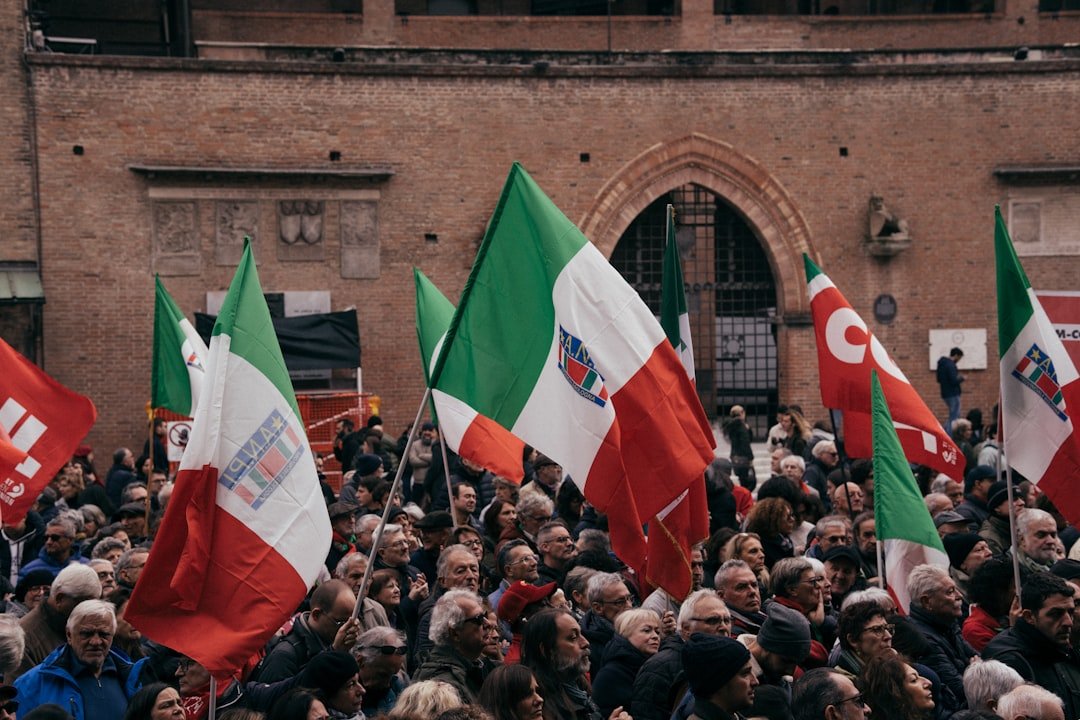
Beyond weather conditions, one of the most significant factors making it the worst time to visit Spain for Muslim travelers is the sheer volume of crowds during peak tourist seasons. These periods can transform a serene cultural experience into a logistical challenge.
High Season Crowds and Their Impact
Summer, major holidays like Easter (Semana Santa), and Christmas can see overwhelming crowds. This makes it difficult to enjoy popular attractions, leads to longer queues, inflated prices for accommodation and flights, and strains local infrastructure. For Muslim travelers, crowds can also impact the ease of finding quiet prayer spaces, securing reservations at halal restaurants, and even navigating public transport comfortably while maintaining personal space and modesty.
Key Locations Affected by Crowds
- Barcelona: Extremely crowded in summer and during major holidays, especially La Sagrada Familia and Park Güell. Finding a quiet spot for prayer can be challenging amidst the throngs.
- Madrid: High tourist traffic during Christmas and Easter. The major shopping streets and museums become packed.
- Granada (Alhambra): The Alhambra is always popular, but during peak season, securing tickets and navigating the complex can be incredibly stressful, leaving little room for reflection or quiet prayer.
- Andalucia (Semana Santa): Holy Week (Easter) is a massive cultural event, particularly in Seville and Malaga. While culturally rich, the entire region becomes exceptionally crowded, making movement difficult and significantly raising accommodation prices. Halal food options may also be harder to find amidst the temporary religious observances of the majority.
Tips for Managing Crowds for Muslim Travelers
- Book Well in Advance: Secure tickets for popular attractions, flights, and accommodations far ahead of time. This is especially crucial for hotels that can confirm prayer facilities.
- Explore Off the Beaten Path: Discover lesser-known sites and enjoy a more peaceful visit. Spain has countless charming small towns and natural parks that offer tranquility away from the major tourist hubs.
- Timing is Key: Visit popular attractions early in the morning or late in the afternoon/evening to avoid the largest crowds.
- Ramadan Considerations: If your visit coincides with Ramadan during a peak tourist season, be prepared for potential challenges. While major cities will have mosques for Taraweeh prayers, dining out for Iftar or Suhoor might require more planning, as many restaurants catering to the general public may have reduced hours or limited options. Some halal restaurants, however, may offer special Ramadan menus.
- Seek Muslim-Friendly Accommodation: Look for hotels or guesthouses that specifically cater to Muslim travelers, perhaps offering halal breakfast options, prayer mats, or even a designated prayer room. This can offer a much-needed sanctuary from the busy tourist environment.
Ideal Times to Visit Spain
Having discussed the worst time to visit Spain, it’s equally important to highlight the best periods for a truly Muslim-friendly travel experience.
Spring: Late March to June (Avoiding Easter)
This period offers pleasant weather across most of Spain, with blooming landscapes and comfortable temperatures ideal for sightseeing. Crowds are generally manageable, except during the Easter (Semana Santa) holidays, which should be avoided for a more relaxed trip due to extreme crowds.
- Muslim-Friendly Aspect: Mild weather allows for comfortable modest dressing. Mosques are less crowded, and halal restaurants are generally operating smoothly. It’s an excellent time for outdoor activities and cultural exploration without the heat stress.
Autumn: September to November
Similar to spring, autumn provides comfortable temperatures and beautiful scenery, especially as the leaves change in certain regions. The summer crowds have dissipated, and prices for flights and accommodation tend to be more reasonable.
- Muslim-Friendly Aspect: Ideal for exploring historic sites and natural parks. Finding quiet spaces for prayer is easier. Halal food options are readily available without the peak season rush. This period also often avoids the extreme heat or cold.
You can book a Tangier day trip from Tarifa with lunch and ferry included here.
Conclusion
While Spain is a captivating destination, being aware of the worst time to visit Spain can significantly enhance your travel experience, especially for Muslim travelers prioritizing comfort, convenience, and adherence to faith. By avoiding the scorching summers, heavy rainy seasons, cold winters, and overwhelming peak tourist periods, you can ensure a more enjoyable and fulfilling journey. Planning your trip during the shoulder seasons of spring and autumn will allow you to savor Spain’s rich culture, beautiful landscapes, and vibrant cities with greater ease, finding ample opportunities for prayer, delicious halal food, and meaningful exploration.
Suggested Reading
- Read about the Best Muslim-Friendly Destinations in Europe to plan your next trip.
- Discover the Top Halal Eateries in Barcelona for a delightful culinary experience.
- Explore the Cultural Heritage Sites of Spain that reflect its rich history.
What is generally considered the worst time to visit Spain, especially for Muslim travelers?
The worst time to visit Spain is generally during the scorching peak summer months of July and August due to extreme heat and overwhelming tourist crowds, which can significantly impact comfort for modest dressers and finding suitable prayer spaces.
Why is summer heat in Spain particularly challenging for Muslim travelers?
Spain’s summers, especially in Andalucia and Madrid, often experience temperatures above 40°C (104°F), making modest clothing exceptionally uncomfortable and increasing the importance of constant hydration with halal-certified drinks or abundant water. This heat can be particularly arduous for those observing fasts.
What are the main challenges regarding prayer facilities for Muslim travelers in Spain?
A crucial challenge for Muslim travelers is the variability of prayer facilities, particularly in smaller towns or during peak tourist seasons. While major cities have mosques, their accessibility and capacity can be limited during busy times, and many historic sites may not offer designated prayer spaces.
What should Muslim travelers do to ensure they can pray conveniently in Spain?
Muslim travelers should download a reliable prayer time app with a Qibla compass, carry a travel prayer mat, and be prepared to find quiet corners in parks or discreet spaces from local shopkeepers. Prioritizing accommodations that confirm prayer room availability or offer large, quiet rooms for prayer is also advisable.
Which regions in Spain are most affected by extreme summer heat, posing challenges for Muslim visitors?
Spain's southern and central regions, particularly Andalucia (Seville, Cordoba) and the capital Madrid, experience intense heat during July and August that can make even simple sightseeing exhausting for Muslim visitors.
Besides summer, what other times of year present challenges for Muslim travelers visiting Spain?
Intense rainy seasons in April and October, and cold winters from December to February in central and northern regions, present challenges for outdoor activities and travel, particularly for families seeking convenience.
How does the extreme summer heat in Spain affect Muslim travelers observing fasts?
For Muslim travelers observing optional fasts or traveling during Ramadan, the extreme summer heat in Spain can be particularly arduous. The high temperatures intensify the physical demands of fasting, requiring extra planning for hydration and energy.
Are there designated prayer spaces at historic sites in Spain?
Many historic sites in Spain, while culturally rich, may not offer designated prayer spaces. Muslim travelers should be prepared to find alternative quiet corners or ask for discreet spaces when a mosque is not nearby.
Written by Hasan — Muslim traveller and founder of MoonlitVisit.
Last updated: 2026.